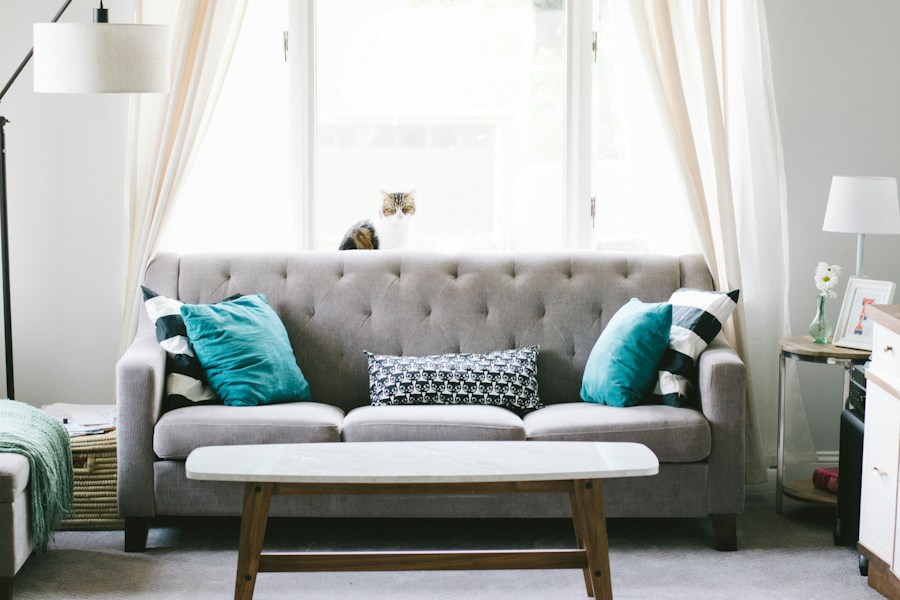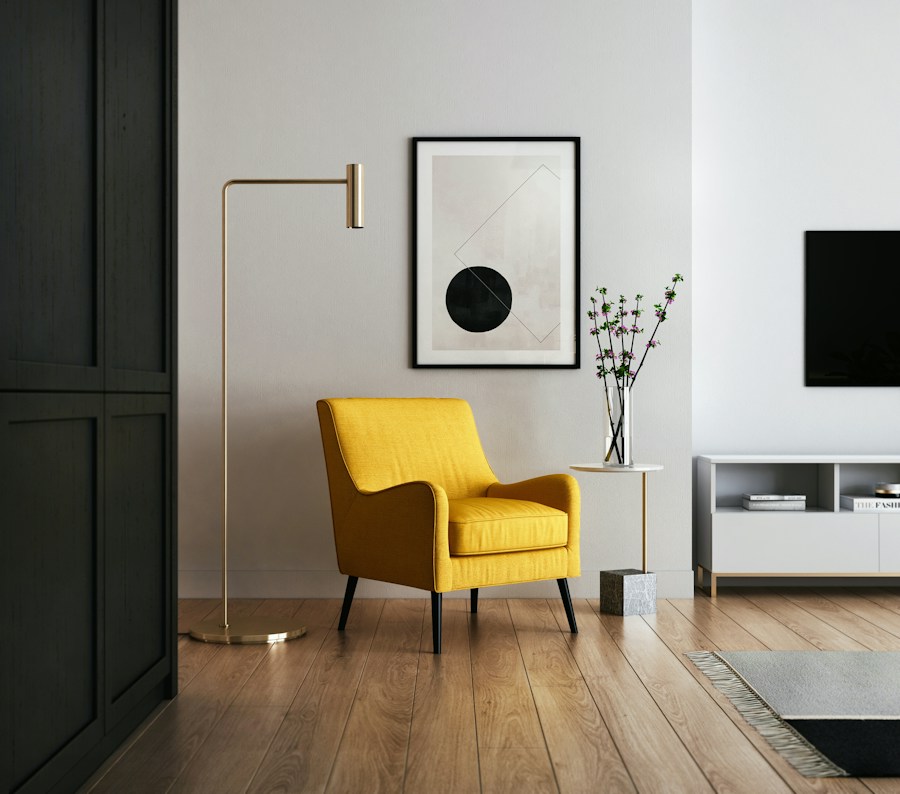

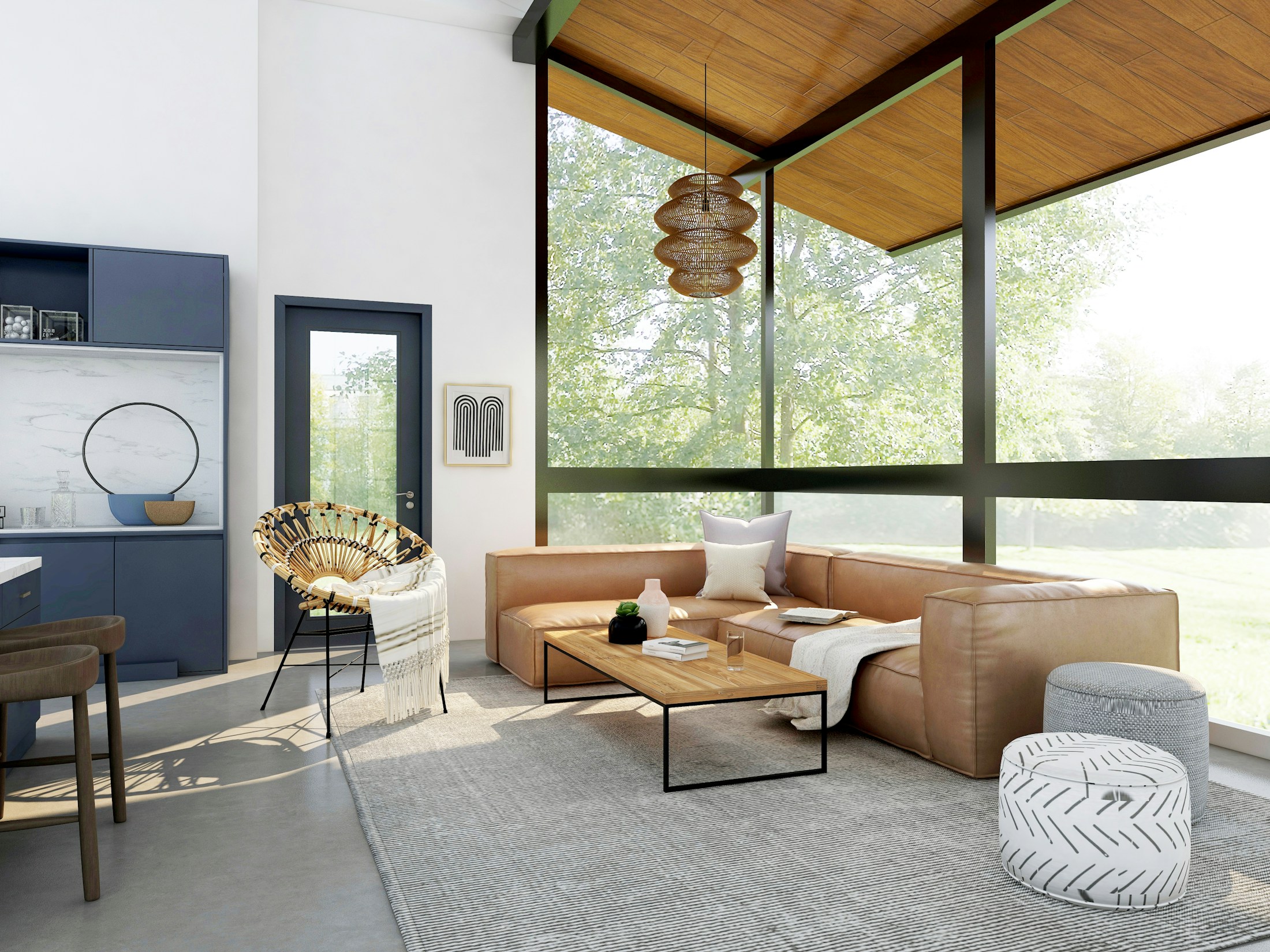
Furnishing a first home is the kind of project that looks tidy on paper and frantic in practice. Six tabs open, one delivery slot lost, the wrong-sized rug already on its way back. After ten years writing about British interiors — and a fair number of my own moves — I've come to a quiet conviction. The trick isn't buying everything. It's buying in the right order.
The instinct, when you walk into an empty flat, is to fill it. Don't. Empty rooms are a luxury — they let you see how light moves, where you actually sit at six in the evening, which corner the cat will inevitably claim. Live with the bones for a fortnight. The list below is what to buy when you've stopped guessing.
Chapter i.The order that actually matters.
There are four kinds of furniture you'll buy in a first home, and they don't deserve equal attention. Daily-use heroes — the bed, the sofa, the dining table — earn most of your budget because you'll touch them every single day for a decade. Storage and lighting come second. Soft furnishings — rugs, throws, cushions — come third, when you know how the room actually behaves. Decoration comes last, and never on the same trip.
Buy the heroes well. Be patient with the rest.
If you remember one thing from this guide, let it be that. A £1,400 sofa you'll keep for fifteen years is cheaper than a £400 one you'll replace three times.
Chapter ii.Daily essentials, week one.
Before the first weekend in your new place, you really only need five things. The rest can wait, and waiting will make it better.
- A proper bed and a serious mattress. If anything in the house deserves the longest research and the most cash, it's this. You'll spend a third of your life on it.
- A sofa you've actually sat on. Sat on, not seen on a screen. Showrooms exist for this reason.
- A dining table — even a small one. A folding 80-cm round will do for a year. Eating at a coffee table is a slow erosion of dignity.
- Two good lamps. Overhead lighting alone will make any room feel like a meeting room.
- A laundry basket and a kettle. Yes, really. The first weekend always involves both.
Notice what's not on the list: a coffee table, a TV stand, a bookcase, side tables, a desk, a hall console, art. None of these are urgent. Some of them, you'll realise after a month, you don't need at all.
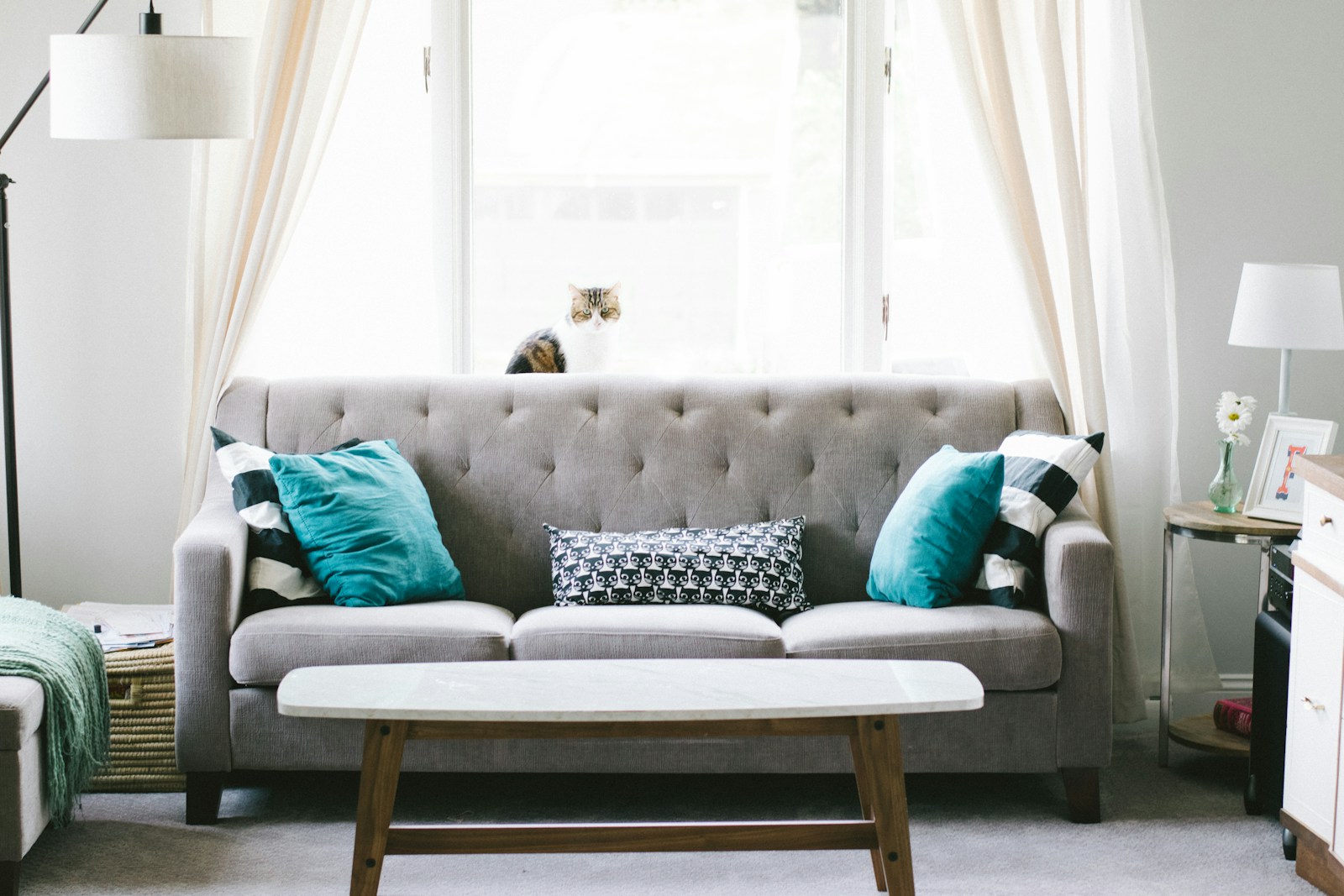
Chapter iii.The living room, in three steps.
The living room is the room people see, and the room you'll regret rushing. Build it in three passes — and resist a fourth for at least six months.
Pass one — the anchor
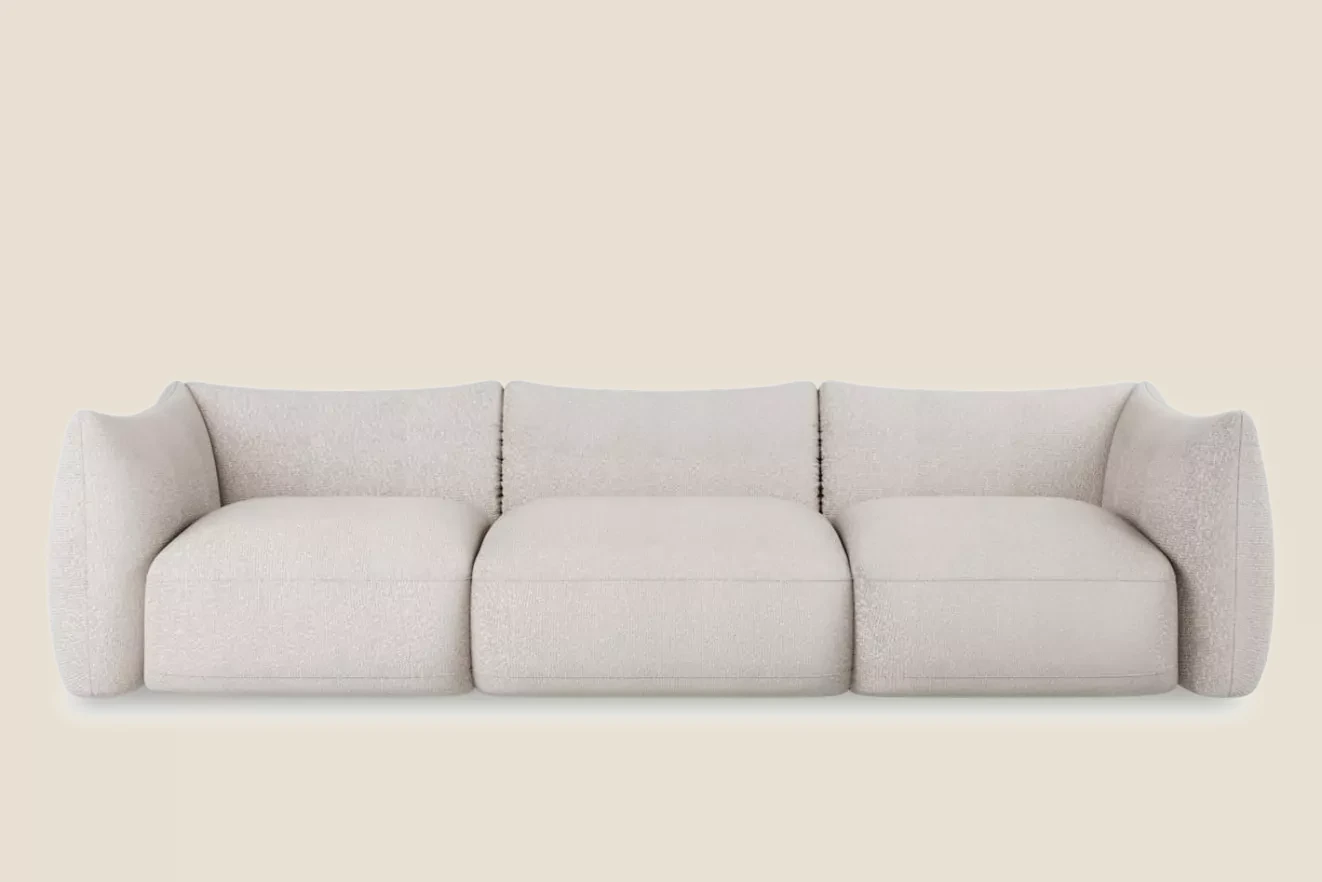
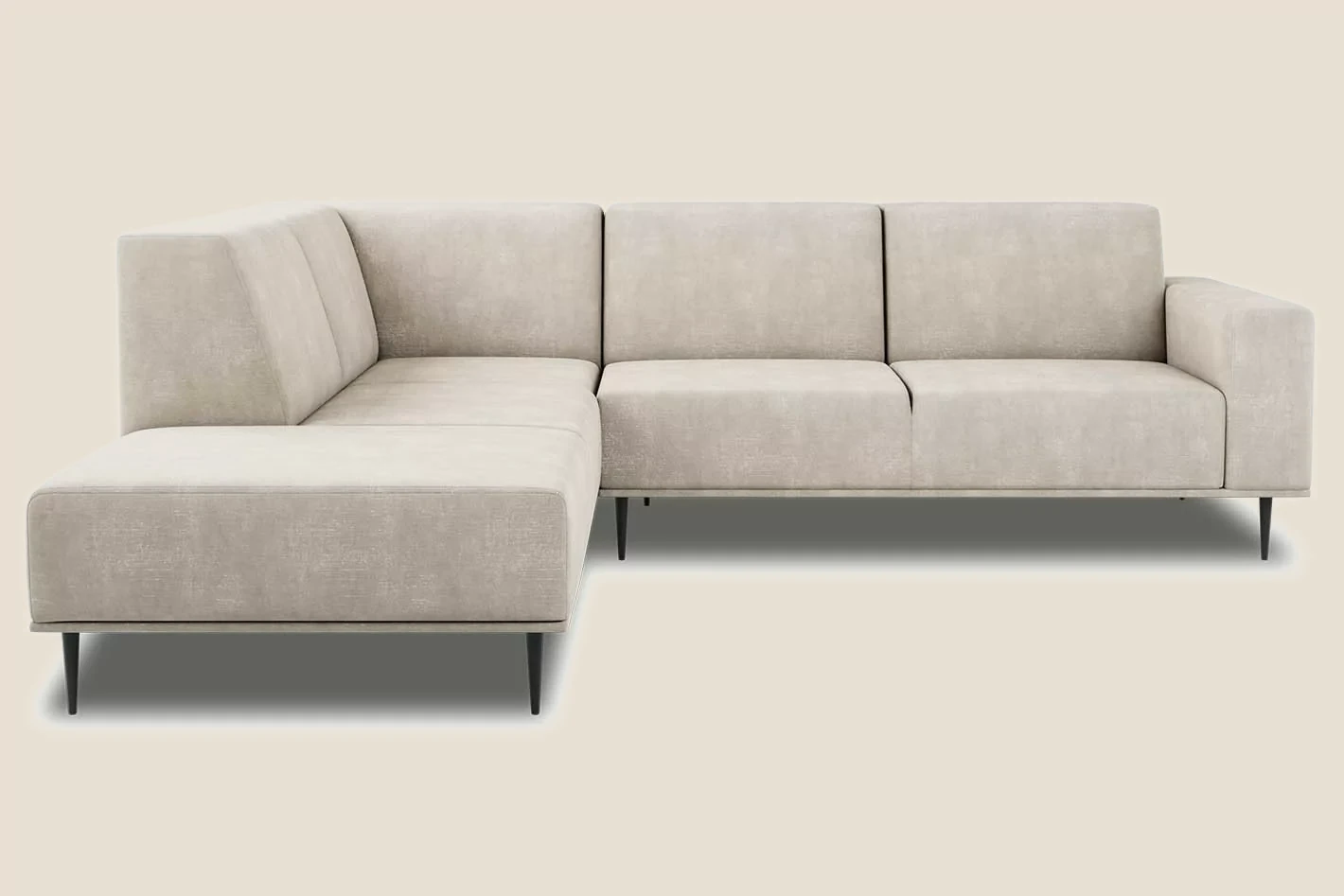
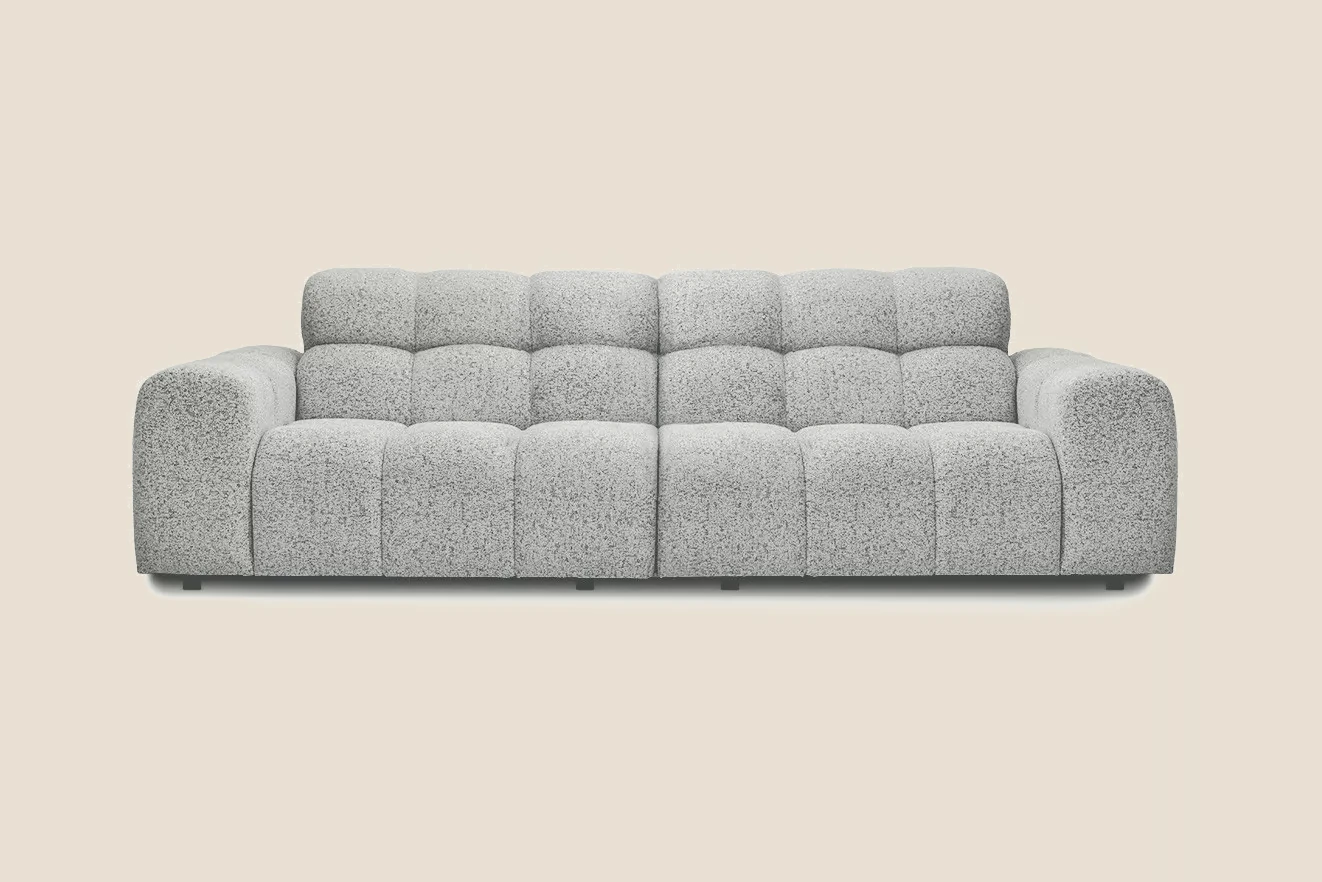
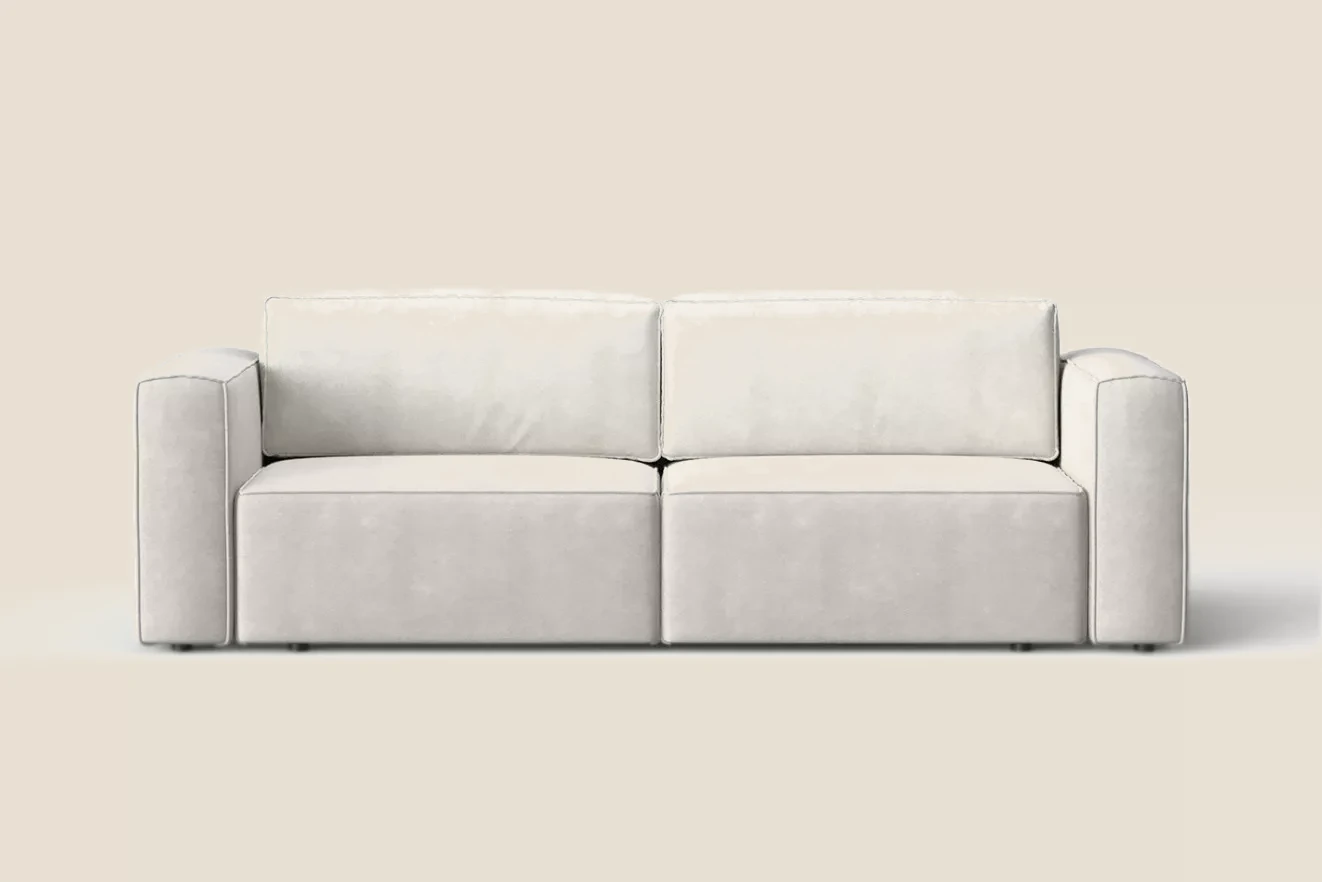
One piece, properly chosen: the sofa. Pick a shape that suits the room (a corner if the wall is long, a 2.5-seater if you're tight on space, a modular if you genuinely don't know yet — they reconfigure). Pick a fabric you can live with for a decade. Bouclé pills less than people say, but it pills. Linen rumples and looks the better for it. Leather earns a patina that synthetic pleathers can only fake.
Pass two — the partners
A coffee table or a pair of side tables (rarely both, in a first home), an armchair if there's room, two lamps, a rug. The rug is the single thing most often bought too small — measure twice, buy once.
Pass three — the layer
Cushions, throws, a stack of books, a candle that smells like a place you've been. This is the bit that happens by accident, and that's the point.
The room you build slowly is the one that ends up looking as though it had always been there.Beatrice Hartley · April 2026
Chapter iv.The bedroom — sleep first.
British bedrooms are, on the whole, smaller than we'd like. The temptation is to compensate with furniture. Don't. A first bedroom needs three things and not many more.
- A frame and a mattress. Spend the most here, full stop. A slatted timber frame breathes and lasts. A pocket-sprung mattress with a comfort layer suits most people; ask to lie on three before deciding.
- One generous wardrobe. If the flat has a built-in, you're in luck. If not, one tall freestanding wardrobe will do more than two thin ones.
- Bedside lights, not overhead. Lamps you can dim. The ceiling pendant only needs to exist.
Everything else — chest of drawers, dressing table, bench at the foot of the bed — is optional, and almost always better added later when you know which corner of the room actually holds the morning light.
Chapter v.Kitchen & dining, function before flourish.
In a kitchen, function comes first; in a dining area, comfort comes first. Both rooms are quietly under-budgeted by first-time buyers because they're the rooms least photographed on Instagram. Resist the trend.
- A dining table that fits four, sits six. Round if the room is small; rectangular extending if it isn't. Solid wood, not veneer — a coaster ring on solid oak is character; on veneer it's the end of the table.
- Chairs you can sit in for two hours. The most-flouted rule in furniture buying. Test them.
- Open shelving, sparingly. One good shelf displays. Three becomes a chore.
Chapter vi.The budget split.
This is the question we get asked most by readers furnishing a first place. There is no universal answer, but the split below is the one that has aged best in our reader feedback over the last five years.
Where the money should sit.
Notice that accessories sit at the bottom on purpose. They are also the easiest category to overspend on if you treat the move as a single trip rather than a year of small decisions.
Pieces we'd start with.
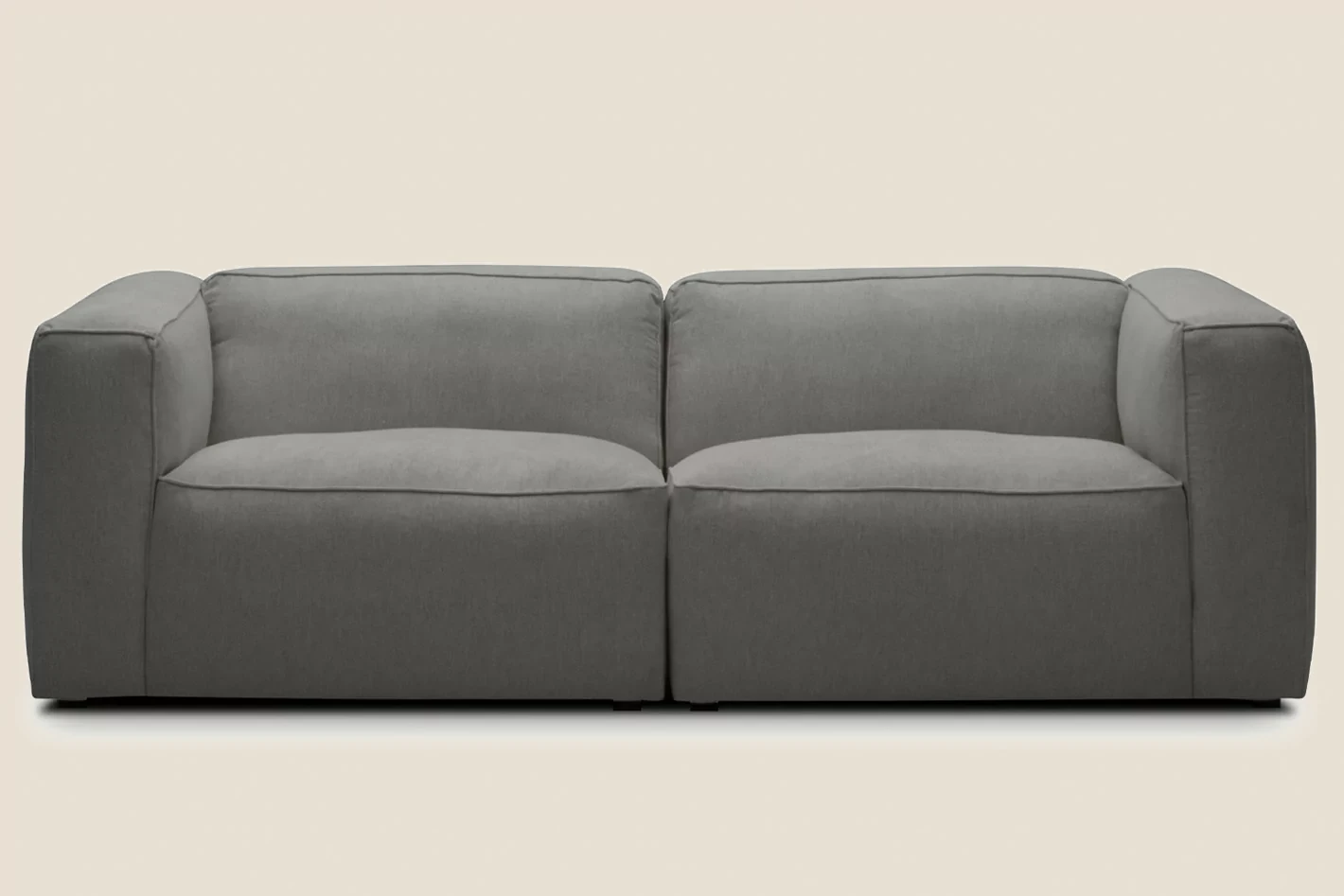
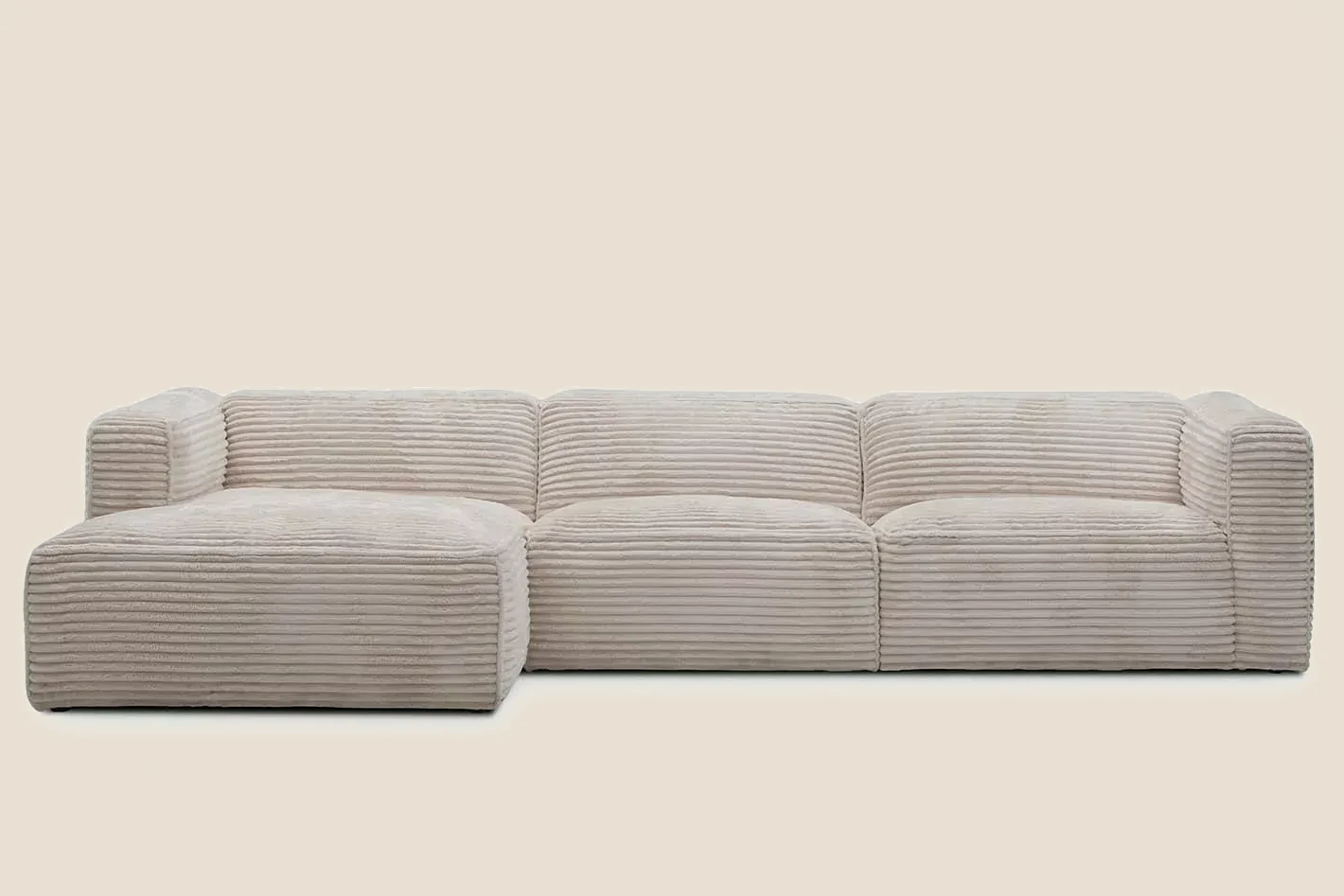
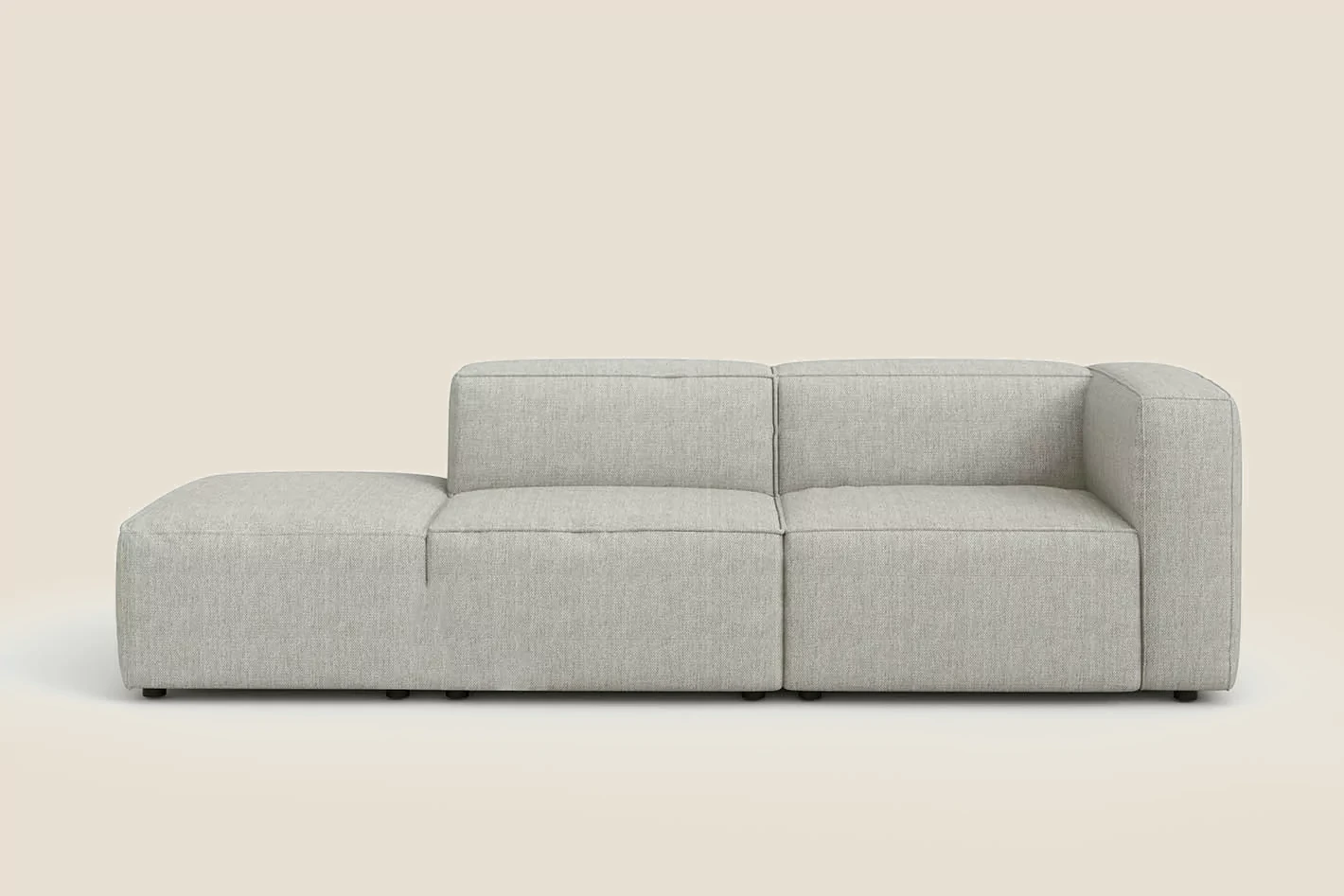
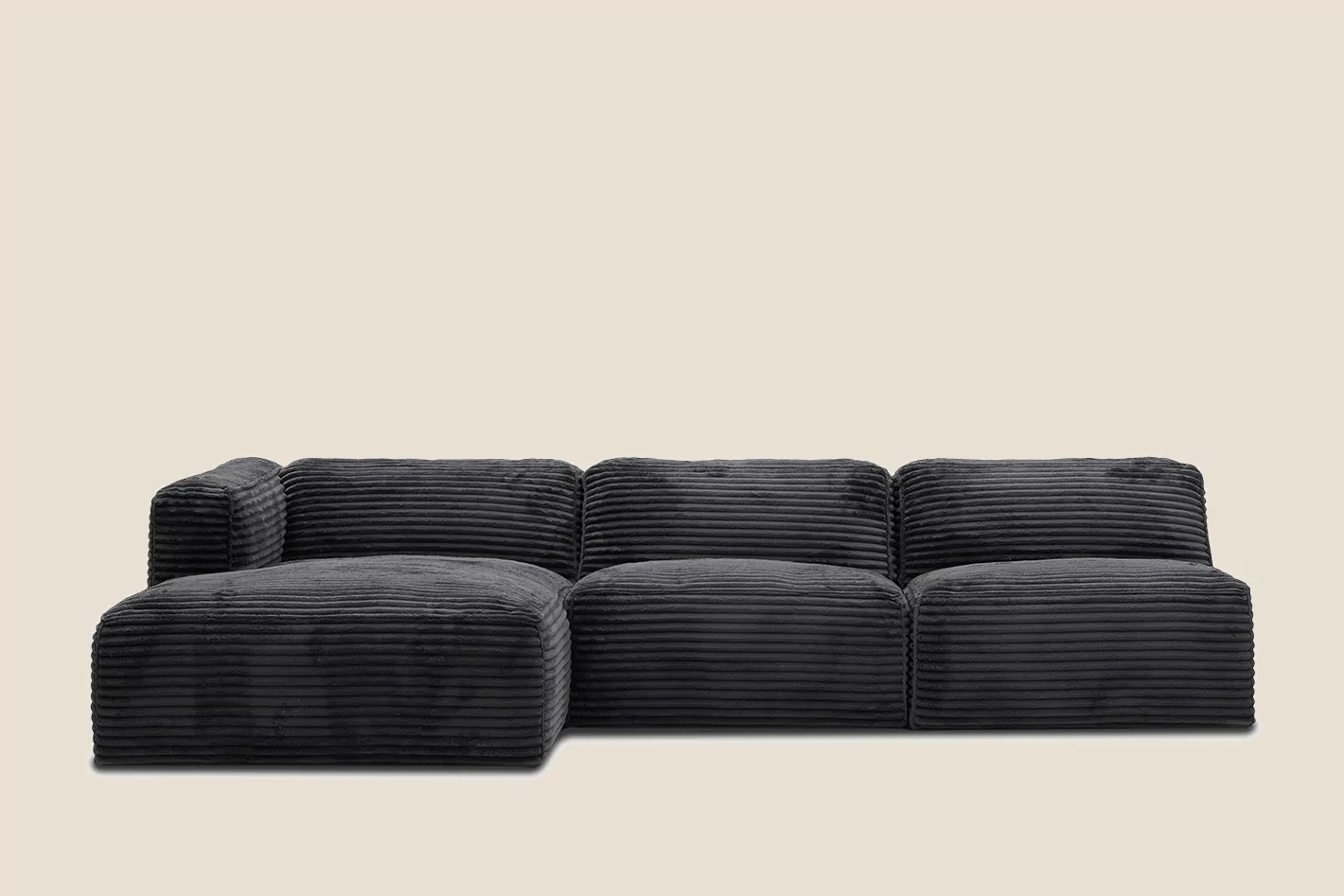
Eight Furniture Story pieces we'd actually buy in week one — the heroes that earn their keep on day one and year ten.
Chapter vii.Six mistakes to skip.
- Buying everything in one weekend. The single most common, most expensive mistake. Stop.
- Skipping the tape measure. Doorways, lift dimensions, stairwell turns. Sofas wedged in stairwells are a London speciality, and nobody enjoys the rescue.
- Choosing a sofa from a screen. Sit on it. We know that's harder for online-first brands. We have a showroom for this reason.
- Overcommitting to a "scheme". Boucle and brushed brass and dusty pink everywhere is fine on a moodboard and exhausting in real life.
- Cheap mattresses. See chapter iv.
- Forgetting curtains. They take six to eight weeks if made-to-measure. Order on day one.
"Take photographs of every empty room before you bring a single thing in."
You'll come back to those photos a year later and notice things about the rooms — light, proportion, where the radiators sit — that you simply can't see once the furniture is in. — Maya R., Hackney
Furnishing a home is, at its heart, a long conversation between you and a room. Have it in pieces, not in paragraphs. Buy the bed, the sofa, the table; sit in them for a season; then come back to the rest. The flat will tell you what it wants if you give it the chance.